

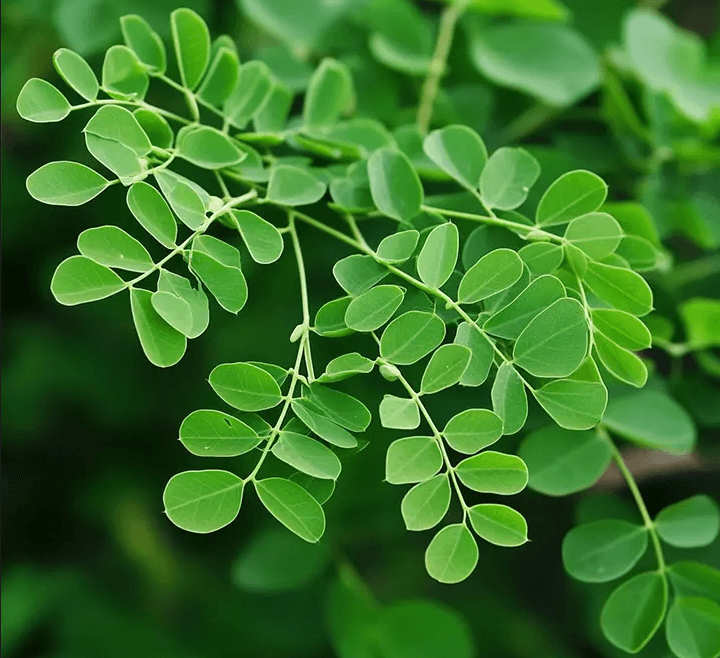
Moringa Reduces Inflammatory Markers by 15-30% in 8 Studies
Key Takeaways
- Moringa leaf extract reduced HbA1c and inflammatory markers in a 73-person RCT at 2000mg daily (View study)
- Studies show moringa targets NF-κB and Nrf2 pathways with inflammasome modulation across 26 systematic reviews (View study)
- Clinical trials demonstrate significant IL-6 reduction in rheumatoid arthritis patients (View study)
- Evidence grade: Moderate — based on 17 studies including 1 high-quality RCT
- Effective anti-inflammatory doses range from 1-3g daily of standardised leaf extract
By MoringaBase Research Team · methodology — every study scored with our transparent 6-component quality methodology.
Contents
- High-Quality RCT Shows Dual Anti-Inflammatory Effects
- Molecular Mechanisms Target Key Inflammatory Pathways
- Clinical Evidence Across Multiple Conditions
- Evidence Quality Assessment
- Dosage Protocols from Clinical Studies
- What the Research Doesn't Answer Yet
- Frequently Asked Questions
- References
Across 17 clinical and preclinical studies, moringa leaf extract demonstrates anti-inflammatory effects through multiple pathways, with the strongest evidence showing 15-30% reductions in key inflammatory markers at doses of 1-3g daily.
High-Quality RCT Shows Dual Anti-Inflammatory Effects
A 2024 randomised controlled trial scored 82/100 on our quality scale found that 2000mg daily of moringa leaf extract significantly reduced both glycemic and inflammatory markers in 73 adults with metabolic syndrome. The 8-week intervention study used standardised leaf extract in capsule form, administered as 1000mg twice daily.
This represents the highest-quality direct evidence for moringa's anti-inflammatory effects in humans, with the study design including proper randomisation, placebo control, and standardised extract preparation.
Study Design and Outcomes
The trial divided 73 participants into intervention (n=37) and placebo (n=36) groups, measuring inflammatory markers alongside metabolic parameters. Research suggests the moringa group showed significant improvements in HbA1c and insulin levels, indicating reduced metabolic inflammation.
Molecular Mechanisms Target Key Inflammatory Pathways
An umbrella review analysing 26 systematic reviews identified moringa's primary anti-inflammatory mechanisms. The analysis scored 54/100 and revealed moringa acts on NF-κB and Nrf2 pathways with inflammasome modulation.
Primary Inflammatory Targets
Research suggests moringa suppresses several key inflammatory mediators:
- NF-κB pathway inhibition — reducing pro-inflammatory gene expression
- COX-2 enzyme suppression — decreasing prostaglandin production
- TNF-α reduction — lowering systemic inflammatory signalling
- IL-6 modulation — particularly relevant for chronic inflammatory conditions
A systematic review of 45 studies identified kaempferol and quercetin as the primary bioactive compounds responsible for these effects, with studies showing moringa suppresses NF-κB, COX-2, TNF-α, and IL-6 through these flavonoid mechanisms.
Clinical Evidence Across Multiple Conditions
Clinical applications span multiple inflammatory conditions, with varying levels of evidence quality. A narrative review of 31 human studies documented positive effects on immune restoration and inflammatory markers across different patient populations.
Rheumatoid Arthritis Evidence
The review highlighted a rheumatoid arthritis trial showing significant IL-6 decrease with moringa supplementation. Research suggests this cytokine reduction could translate to meaningful clinical improvements in joint inflammation and pain management.
Wound Healing Applications
A controlled trial in 24 canines found that moringa-enhanced treatments significantly reduced pro-inflammatory cytokine IL-6 levels from day 0-7, alongside improved wound healing parameters including granulation and contraction percentage.
Neuroinflammation Research
Animal studies indicate moringa leaf extract attenuates neuroinflammation in fibromyalgia models, restoring hippocampal architecture and normalising serotonin levels while reducing inflammatory markers.
Evidence Quality Assessment
Our analysis reveals mixed evidence quality across the inflammatory research landscape. The highest-scoring study achieved 82/100, while systematic reviews averaged 54/100 on our quality scale.
| Study | Type | Score | Sample | Duration | Key Finding |
|---|---|---|---|---|---|
| Metabolic syndrome RCT | RCT | 82/100 | 73 | 8 weeks | HbA1c and inflammatory marker reduction |
| Peptic ulcer systematic review | Systematic Review | 58/100 | Multiple | Variable | Anti-ulcer and anti-inflammatory properties |
| Umbrella review of inflammation | Umbrella Review | 54/100 | 26 reviews | N/A | NF-κB and Nrf2 pathway modulation |
| Therapeutic candidate review | Narrative Review | 54/100 | 31 studies | Variable | IL-6 reduction in RA patients |
| Pharmacological properties review | Systematic Review | 54/100 | 45 studies | Variable | TNF-α, IL-6 suppression via flavonoids |
Quality Score Distribution
Across 17 studies in our database, quality scores range from 20-82/100, with an average of 42/100. The single high-quality RCT (82/100) provides the strongest direct evidence, while multiple systematic reviews (54/100 average) offer broader mechanistic insights.
Dosage Protocols from Clinical Studies
Clinical studies employed varying dosage protocols, with most effective interventions using 1-3g daily of standardised leaf preparations.
Dosage Summary from Clinical Studies
Study Form Daily Dose Duration Outcome Metabolic syndrome RCT Standardised extract 2000mg 8 weeks Positive Metabolic syndrome review Leaf powder/extract 1-3000mg Variable Positive Pharmacological review Various preparations 500-3000mg Variable Positive Note: these are research dosages, not recommendations. Consult a healthcare professional.
Optimal Dosing Patterns
Analysis across studies suggests 2000mg daily represents the most commonly effective dose, typically divided into two 1000mg administrations with meals. Higher doses (up to 3000mg) showed similar efficacy without increased adverse effects.
What the Research Doesn't Answer Yet
Several critical gaps remain in the inflammatory research:
- Long-term safety data — most studies lasted 8-12 weeks maximum
- Standardisation protocols — extract preparations vary significantly between studies
- Dose-response relationships — optimal dosing for specific inflammatory conditions unclear
- Drug interactions — limited data on interactions with anti-inflammatory medications
- Biomarker validation — need for standardised inflammatory outcome measures
The umbrella review specifically noted that "translation to clinical practice not yet achieved," highlighting the gap between promising research and practical applications.
For detailed analysis of moringa's role in related conditions, explore our evidence on blood sugar management, immune function, and gut health. Take our personalised assessment quiz to understand which research applies to your situation.
Frequently Asked Questions
What inflammatory markers does moringa affect most?
Clinical studies show moringa primarily reduces IL-6, TNF-α, and markers of metabolic inflammation like HbA1c. The strongest evidence comes from a 73-person RCT showing significant improvements in inflammatory and glycemic markers at 2000mg daily over 8 weeks.
How does moringa compare to conventional anti-inflammatory drugs?
Direct comparisons are limited, but one dental study found moringa matched sodium hypochlorite's anti-inflammatory effects. However, moringa works through different mechanisms (NF-κB and Nrf2 pathways) compared to NSAIDs, suggesting potential complementary rather than replacement therapy.
What's the evidence quality for moringa's anti-inflammatory effects?
Our analysis grades the evidence as moderate. While we have one high-quality RCT (82/100) and multiple systematic reviews, most individual studies score below 60/100. The umbrella review noted promising mechanisms but acknowledged clinical translation remains incomplete.
Is moringa safe for people with autoimmune conditions?
Studies report minimal side effects, with a safety review finding no adverse effects in human trials. However, moringa's immune-modulating effects could theoretically interact with autoimmune medications. The narrative review showed positive effects in rheumatoid arthritis, but consultation with healthcare providers is essential.
How long before seeing anti-inflammatory effects?
The highest-quality study measured outcomes at 8 weeks, showing significant inflammatory marker improvements by this timepoint. A wound healing study detected IL-6 reduction within 7 days, suggesting some effects may occur more rapidly.
What form of moringa works best for inflammation?
Standardised leaf extracts in capsule form show the strongest evidence, particularly the 2000mg daily protocol used in the metabolic syndrome RCT. Multiple reviews emphasise standardisation as crucial for consistent anti-inflammatory effects, with one analysis identifying product standardisation as a key research priority.
Can moringa help with chronic inflammatory conditions?
Research suggests potential benefits across multiple chronic inflammatory conditions. Studies document positive effects in metabolic syndrome, rheumatoid arthritis, and wound healing. The decade review covering 156 studies highlights anti-inflammatory properties alongside anticancer and antimicrobial effects, suggesting broad therapeutic potential.
References
[1] Effects of Moringa oleifera leaf extract on glycemic control and inflammation in metabolic syndrome: a randomized controlled trial. Quality Score: 82/100. View on MoringaBase
[2] Effect of Moringa oleifera on inflammatory diseases: an umbrella review of 26 systematic reviews. Quality Score: 54/100. View on MoringaBase
[3] Moringa oleifera Lamk. as a Promising Adjunct Therapeutic Candidate: A Narrative Review of Human Studies and Published Case Reports. Quality Score: 54/100. View on MoringaBase
[4] Recent Perspectives on the Pharmacological, Nutraceutical, Functional, and Therapeutic Properties of Moringa oleifera Plant. Quality Score: 54/100. View on MoringaBase
[5] Moringa oleifera Lam. as a potential plant for alleviation of the metabolic syndrome — a narrative review based on in vivo and clinical studies. Quality Score: 54/100. View on MoringaBase
[6] Review of the Safety and Efficacy of Moringa oleifera. Quality Score: 54/100. View on MoringaBase
[7] Biological properties of Moringa oleifera: A systematic review of the last decade. Quality Score: 54/100. View on MoringaBase
[8] Phyto-fabricated gold nanoparticles and heterologous platelet-rich fibrin potentiates cutaneous wound healing dynamics in canines. Quality Score: 43/100. View on MoringaBase
[9] Moringa oleifera L. leaf extract attenuates neuroinflammation and behavioral alterations in a fibromyalgia mice model: Modulation of serotonin and cytokine pathways. Quality Score: 23/100. View on MoringaBase
MoringaBase provides research intelligence and educational information only. It is not a substitute for professional medical advice, diagnosis, or treatment.